

Chile's diverse climates, landscapes, and expansive coastline—from the northern deserts to the southern Antarctic region—create a rich tapestry of culinary ingredients. This incredible biodiversity leads to a wide range of delicious and unique dishes. Here, we highlight some of Chile’s culinary treasures, so you'll know exactly what to order on your next visit!
Discover Chile’s Aboriginal Cuisine: The Mapuche Curanto
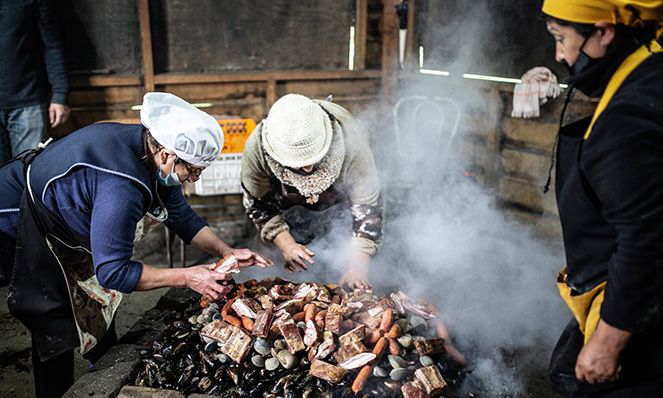
For food enthusiasts seeking new culinary adventures, the Mapuche cuisine of southern Chile offers a rich and unique experience. Nestled among volcanoes, forests, and lakes, the Mapuche people have a culinary tradition that reflects their vibrant culture.
One standout dish is the Mapuche Curanto, a centuries-old recipe passed down through generations. This traditional preparation involves cooking layers of potatoes, seafood, meat, and vegetables in a pit lined with heated stones and covered with rhubarb leaves. The ingredients are steamed underground for several hours, resulting in a flavorful and nutrient-rich dish. The Curanto embodies the essence of Mapuche gastronomy, delivering a memorable explosion of flavor with every bite.
Chilean Soups & Stews
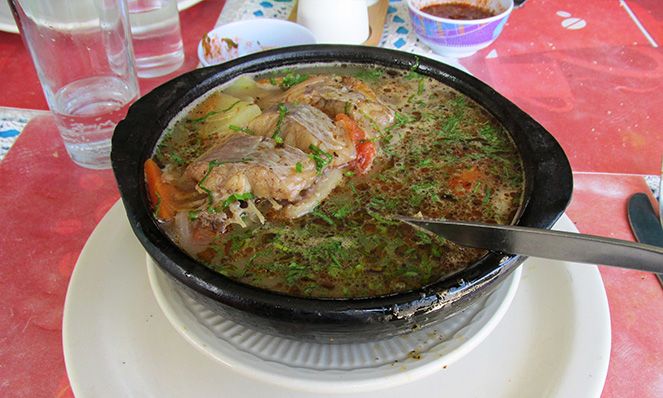
Valdiviano
Valdiviano is a beloved Chilean soup hailing from the city of Valdivia in southern Chile. Known for its reputation as a hangover remedy, this hearty and comforting dish is a local favorite. Typically featuring thin strips of charqui (Chilean beef jerky) or leftover beef, Valdiviano is simmered with onions, oregano, parsley, cumin, and paprika. Some variations include eggs or potatoes.
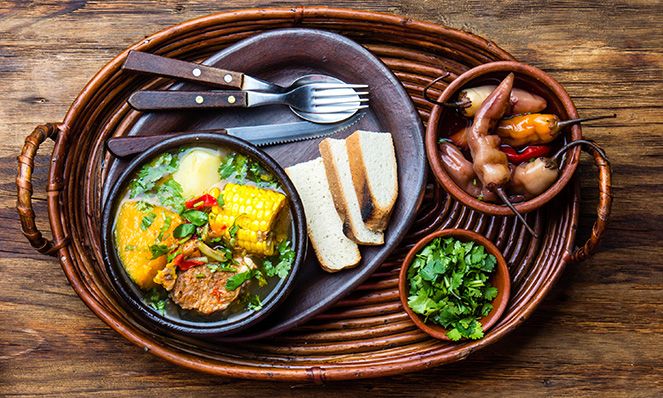
Cazuela
The ultimate comfort food, cazuela refers to a family of Chilean soups or stews made with different meats and vegetables cooked together. Most popular versions are made with chicken (cazuela de ave) or beef (cazuela de vacuno). Ingredients often include squash, potatoes, corn, and rice, and it's usually garnished with fresh parsley, coriander, or aji verde (spicy green sauce). The ingredients change with the seasons, making it a versatile and hearty dish.
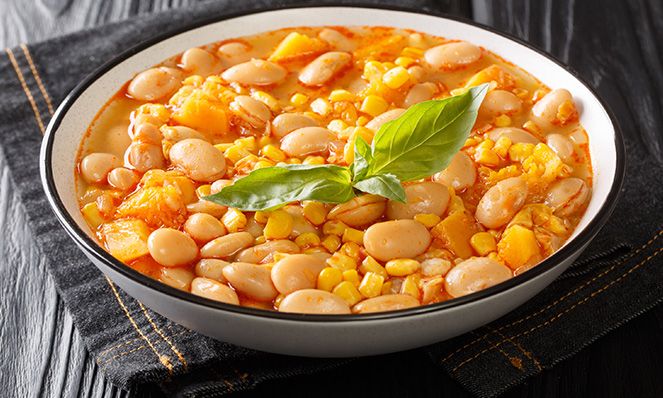
Porotos Granados
Porotos Granados is a traditional Chilean summer stew that celebrates the fresh, late-summer harvest. The name “porotos” means “beans.” This hearty dish is made with ripe cranberry beans, corn, and squash, along with onions, pumpkin, cumin, basil, and oregano. It’s typically prepared during the summer months to coincide with the harvest and can be made with chicken, beef, or vegetable broth.
Indulge in Urban Delights: Experience the Finest Food, Wine Bars & Culture of Chile and Argentina!
Pacific Seafood Delights
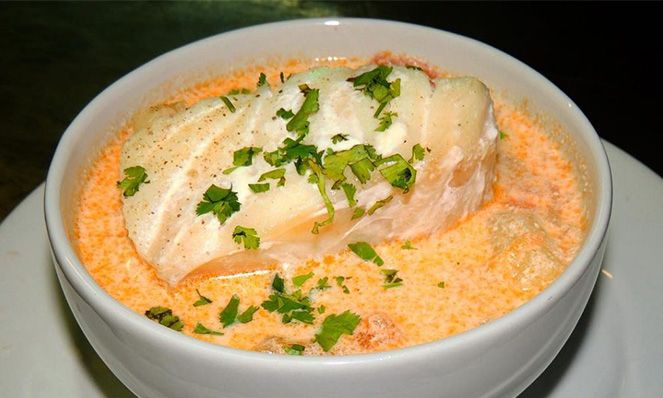
Chile’s extensive coastline stretches over 6,400 kilometers (8,000 miles), offering a wealth of seafood from the Pacific Ocean. The cold-water currents along this coast nurture a diverse array of fish, mollusks, and shellfish, shaping a vibrant culinary tradition.
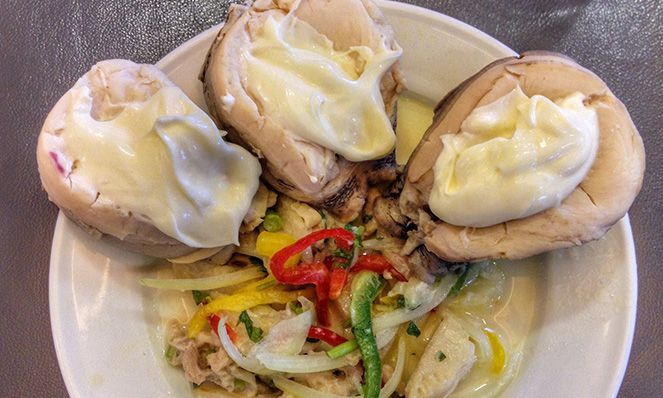
Locos (Chilean Abalones)
Among Chile’s seafood treasures is the Concholepas known locally as “Loco” or Chilean abalone. This prized mollusk recently earned the title of Mollusc of the Year 2023 from the German Senckenberg Society for Nature Research. In Chile, Locos are featured in various delectable preparations, such as a baked "Chupe" gratin with avocado or chopped loco combined with quinoa and salsa verde.
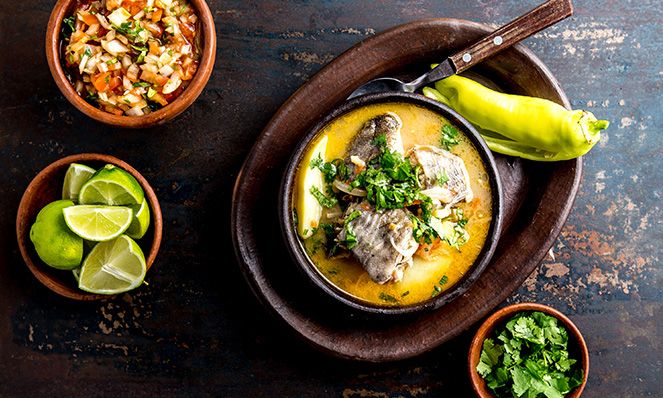
Caldillo de Congrio (Conger Eel Stew)
Caldillo de congrio is a hallmark of Chilean cuisine. This flavorful stew showcases conger eel, simmered with onions, garlic, tomatoes, paprika, potatoes, carrots, and a blend of spices. The conger eel imparts a deep, savory richness to the broth, while the vegetables add layers of texture and flavor. Served hot, it’s especially comforting on cold days.
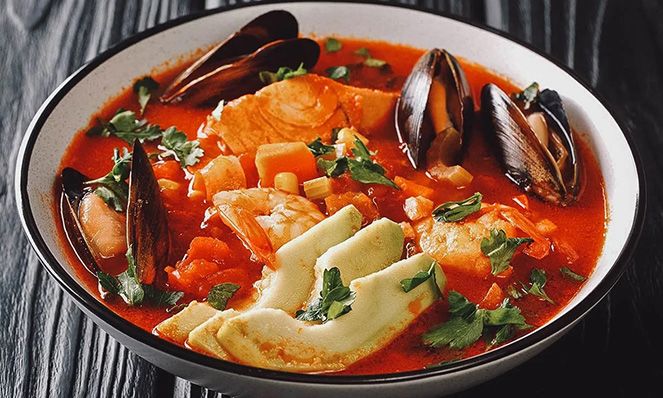
Caldillo de Mariscos
Similarly celebrated is caldillo de mariscos, a traditional Chilean seafood soup featuring an assortment of seafood—mussels, fish, shrimp, and squid—cooked in a fragrant broth with onions, potatoes, white wine, and herbs like red pepper, paprika, bay leaf, and oregano. Finished with fresh parsley and a touch of lemon juice, it’s a bright and flavorful representation of Chile’s rich marine bounty.
Savor South America: A Culinary Journey Through Chile, Argentina, & Brazil!
Chilean Markets – Traditional Chilean Foods
Chile’s markets are a must-visit destination for any foodie. Markets offer an authentic and unique experience to explore local cuisine. In addition to providing fresh ingredients, Chile’s markets are full of typical foods, such as:
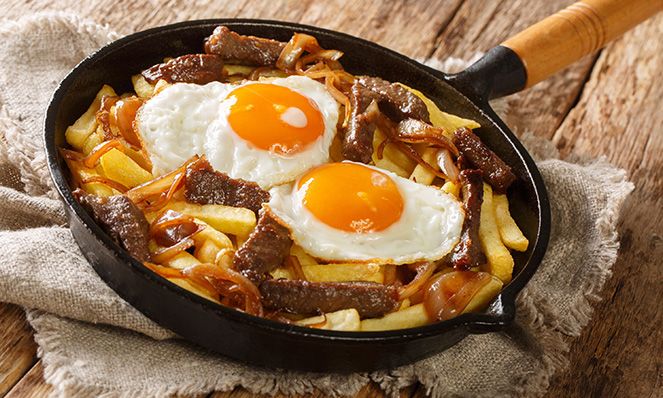
Chorrillanas
French fries topped with sautéed beef strips, onions, and fried eggs.
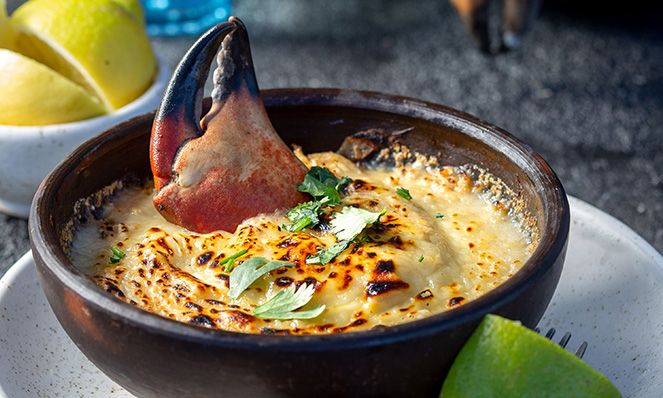
Pastel de Jaiba
A type of crab pie.
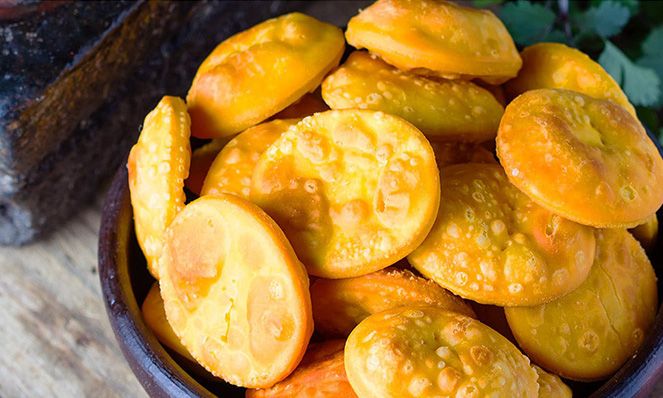
Sopaipillas
Pumpkin fritters.
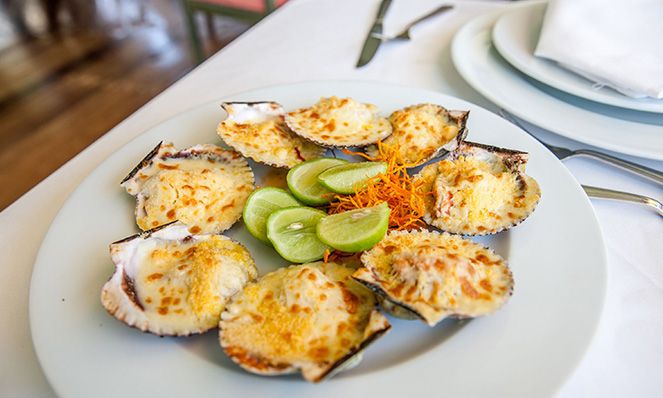
Machas a la Parmesana
Clams with cheese.
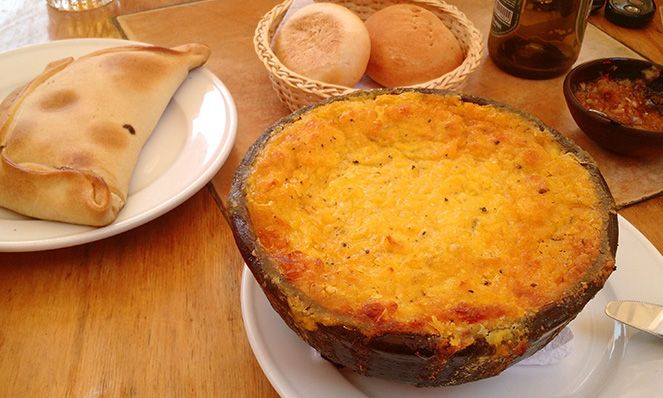
Pastel de Chocio
Corn pie.
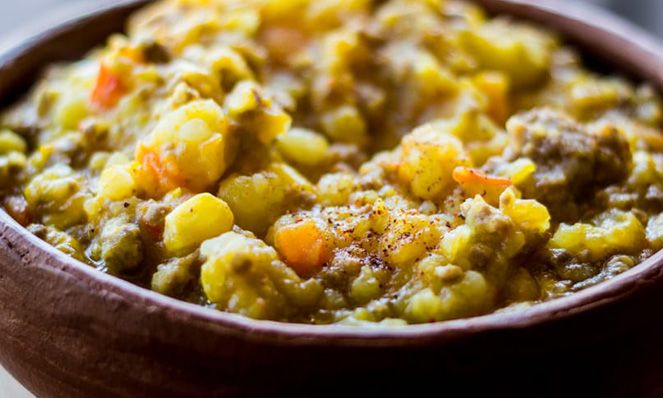
Charquicán
A hearty stew made with charqui (dried beef), potatoes, and vegetables.

Completos
Chilean hot dogs typically topped with avocado, tomatoes, mayonnaise, and sauerkraut.
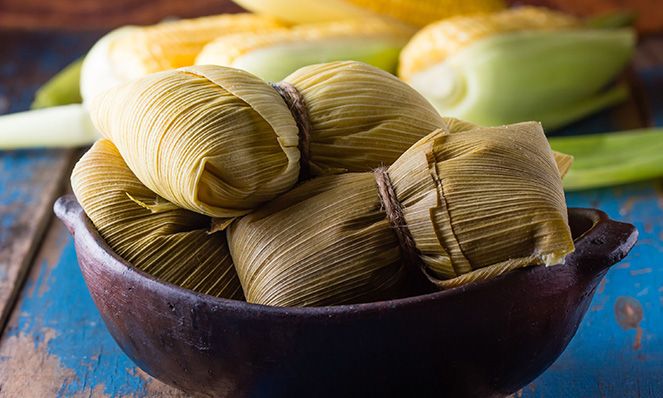
Humitas
Mashed corn mixed with basil, onion, and spices, wrapped in corn husks and steamed or boiled.
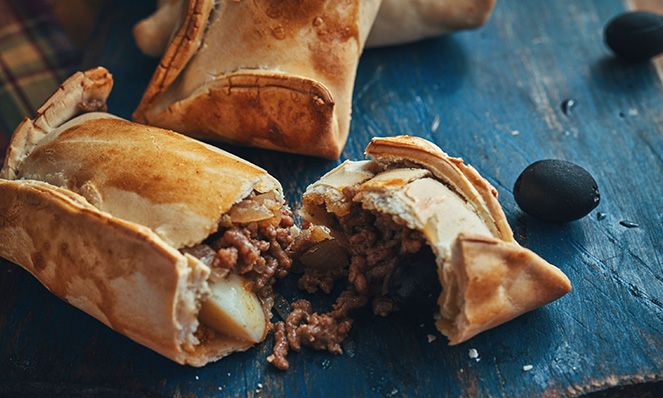
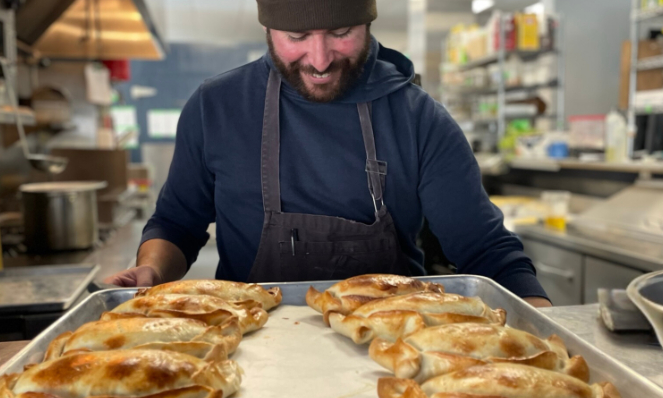
Empanadas
The Chilean empanada is the most emblematic tradition. This delicious, thin, crunchy dough, filled with assorted ingredients, can be baked or fried. The most traditional Chilean empanada is the empanada de pino, which has beef, onions, pieces of hard-boiled egg, raisins, and olives, seasoned with cumin, pepper, and other spices. It is perfect for any occasion, from a quick lunch to a party appetizer. Many kinds of empanadas have different fillings, such as cheese, seafood, and vegetarian varieties. If you are visiting Chile, you must remember to try one of the delicious empanadas.
Exploring Chilean Bread: A Comfort Staple
Chile’s bread scene is a true reflection of Chile’s love of bread! With the average Chilean consuming over 90 kg (200 pounds) of bread annually, it's clear that bread is a deeply ingrained staple in Chilean culture. Three iconic types of bread stand out in Chilean cuisine:
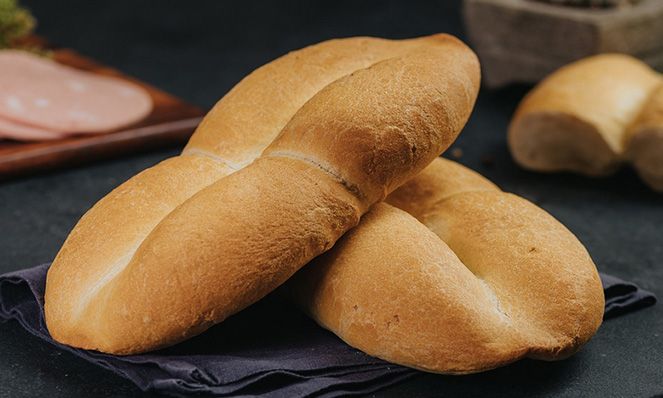
Marraqueta
Also known as pan francés or pan batido (whipped bread), it has a crusty, crunchy exterior and distinctive shape—resembling four bread rolls fused into one. Versatile and enjoyed daily, Marraqueta is often used for breakfast or sandwiches.
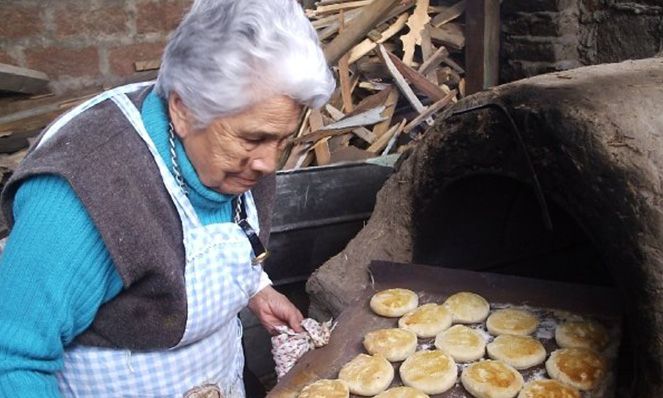
Hallulla
This simple yet flavorful bread is often used for making sandwiches and holds a special place in Chilean culinary tradition.
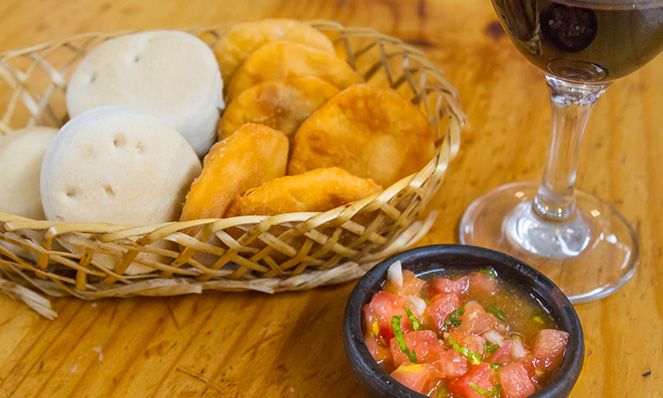
Pan Amasado
Also known as Chilean Country Bread, it's a homemade bread baked daily and sometimes features pork cracklings (chicharrones) or fried bacon kneaded into the dough.
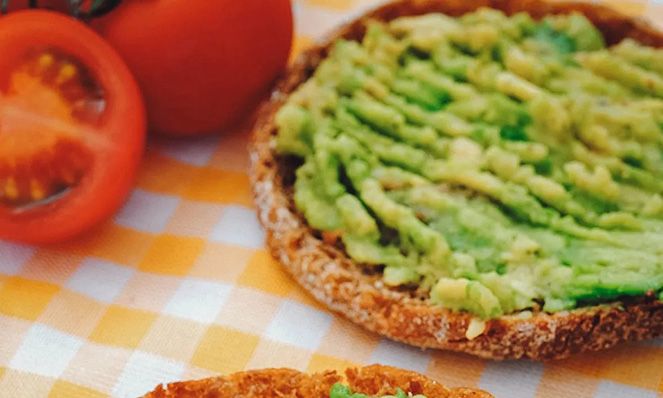
Pan con Palta
Chile’s version of avocado toast, featuring mashed avocado spread over bread, typically Marraqueta or Hallulla.
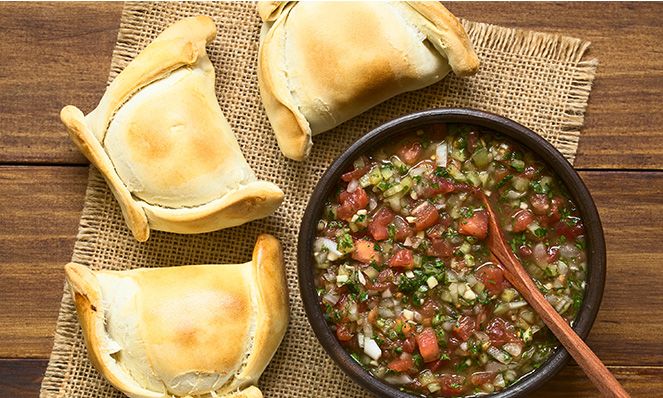
Pebre Salsa
Accompanying these breads is Pebre salsa, a popular Chilean condiment made from a blend of aji peppers, coriander, onions, tomatoes, garlic, vinegar, and olive oil. Served in a clay dish, Pebre is akin to Mexican pico de gallo and is commonly enjoyed with warm Marraqueta or as a condiment for meat dishes like choripan.
Stroll and Savor: Discover Santiago's Culinary Delights on Our Exclusive Jeep Safari Tour!
Chile’s Beloved Teatime Tradition – “Once Chilena”
In Chile, there’s a special tradition that brings families and friends together in the late afternoon or early evening—Once Chilena, pronounced "on-say." This cherished ritual, akin to the British "afternoon tea," has deep roots in Chilean culture.
The origin of “Once” is unclear, but the most popular theory links it to aguardiente, a strong distilled spirit consumed between meals in colonial times. To keep it discreet, “Once” (meaning "eleven" in Spanish) was used as a code, referencing the eleven letters in aguardiente. Over time, the tradition shifted from spirits to tea and snacks, becoming the beloved Once Chilena we know today.
“Once” typically involves a light meal or snack, often replacing dinner altogether, and is served between 6 and 10 pm. The menu is simple yet satisfying, featuring tea accompanied by an assortment of bread, cheese, ham, pastries, and other homemade treats. It's a time for relaxation, conversation, and savoring the comforts of home.
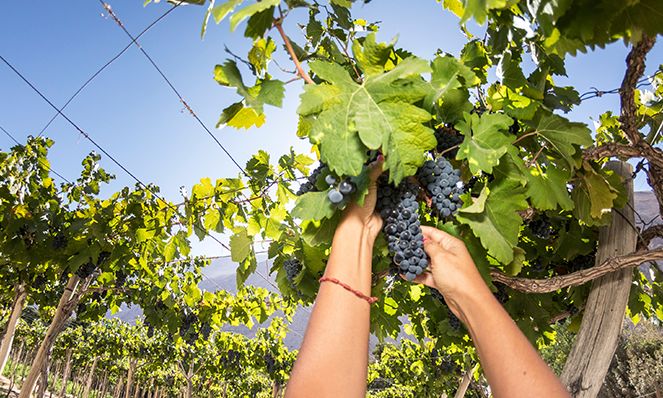
Chilean Fruits: A Fresh and Healthy Alternative
With all the delicious dishes we've mentioned, your tummy might crave a refreshing alternative. Chile’s diverse climate produces a vibrant array of fruits, perfect for a refreshing and healthy snack.
Apricots (Albaricoque)
Blueberries (Arándano)
Chilean Grapes (Uvas)
Chilean Guava (Murtilla)
Chilean White Strawberry (Frutilla)
Cherries (Cerezas)
Coquito Nuts
Custard Apple (Chirimoya)
Figs (Higos)
Lúcuma
Mountain Papaya (Papayuelo)
Persimmon (Caqui)
Pomegranate (Granada)
Prickly Pear (Tuna)
Peaches (Duraznos)
Watermelon (Sandía)
Ready to tantalize your taste buds with Chile’s culinary wonders? Whether you’re planning a trip or exploring from afar, these dishes offer a delicious glimpse into Chile’s rich food culture. ¡Buen provecho!